

UK Nature Identification Resources: Wildlife, Plants, Fungi and More
Have you spotted a bird you don’t recognise, found an unfamiliar wildflower, wondered what left those tracks in the mud, or come across a strange insect, fungus or plant you’ve never seen before?
Identifying the natural world around us can be fascinating, but it isn’t always straightforward. Some species are easy to recognise from a photograph, while others can be surprisingly difficult to distinguish from closely related species and may require specialist knowledge.
There is no single website that covers every species found across the UK. The most useful identification resources are instead spread across specialist conservation organisations, natural history societies, recording schemes and other expert-led projects.
We’ve brought together some of the most useful and free UK nature identification websites and online resources in one place, covering birds, mammals, reptiles and amphibians, insects and other invertebrates, plants and trees, fungi, mosses and lichens, freshwater life and marine species.
At a glance
Looking for a particular group? Jump to the section you need:
- General nature identification
- Birds
- Mammals and wildlife signs
- Reptiles and amphibians
- Butterflies and moths
- Bees, wasps and ants
- Dragonflies and damselflies
- Spiders and other arachnids
- Other insects and invertebrates
- Wildflowers and plants
- Trees and shrubs
- Grasses, sedges and rushes
- Fungi
- Mosses, liverworts and hornworts
- Lichens
- Freshwater life
- Marine life and rockpool species
- What if you still can’t identify it?
- Consider recording your sighting
- Important Note
General Nature Identification Resources
When you’re not sure what you’ve found, a general resource is a good place to start before moving on to a specialist identification website.
The Wildlife Trusts have assembled a particularly useful collection of identification guides covering many of the species and wildlife signs you might encounter around the UK.
Their guides include garden birds, birds of prey, gulls, bird song, woodpeckers, ducks, owls and waders. There are also guides to butterflies, moths, caterpillars, bumblebees, solitary bees, beetles, hornets and shieldbugs.
For coastal wildlife, The Wildlife Trusts provide identification guides for jellyfish, starfish, sea urchins and whales and dolphins. There are also guides to animal tracks, droppings and skulls, together with other useful wildlife identification material.
This makes the Wildlife Trusts website a particularly useful starting point when you know roughly what you have seen but are not yet sure which specialist group it belongs to.
The Natural History Museum’s Identify Nature resource is a useful starting point when you’re not sure which specialist group your find belongs to. It includes identification guides covering wildlife and natural history subjects and also explains how to seek help with difficult specimens.
The Museum’s Identification and Advisory Service can answer questions about insects, plants, bones and other natural history specimens found in the UK, with photographs and detailed information about where and when something was found helping with identification.
NatureSpot provides a large collection of wildlife identification guides, with resources covering many of the plants and animals commonly encountered in Britain. It also offers identification help through its recording system, where submitted records are checked by an expert.
Although NatureSpot has a particular connection with Leicestershire and Rutland, its identification resources are useful well beyond that area.
Bird Identification
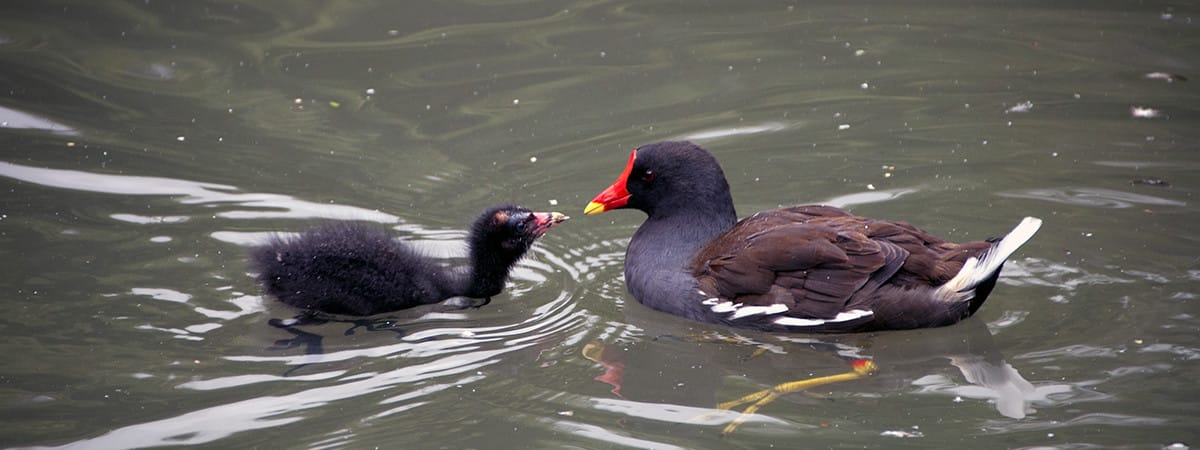
Birds are one of the easier wildlife groups to get started with because there are several excellent UK resources combining photographs, identification advice, sounds and species information.
The RSPB’s bird identification section includes an extensive A–Z of UK bird species as well as identification guides aimed at common identification problems. Its guides cover visual characteristics, behaviour, habitat and other clues that can help separate similar species. The RSPB also has a useful Bird Song Identifier for familiarising yourself with common British bird calls and songs.
The BTO offers bird identification videos, photographs, sound recordings, fieldcraft information and other material designed to help people improve their bird identification skills. Its resources are particularly useful when you want to move beyond simply recognising the most familiar garden birds.
Merlin Bird ID is not a UK organisation’s website, but it is worth mentioning because the BTO helped develop its Britain and Ireland bird pack.
The app can help identify birds from photographs and, where supported, from sound. It is particularly useful as a learning aid, but a suggested identification should still be checked against a reliable species guide.
Mammal Identification & Wildlife Signs
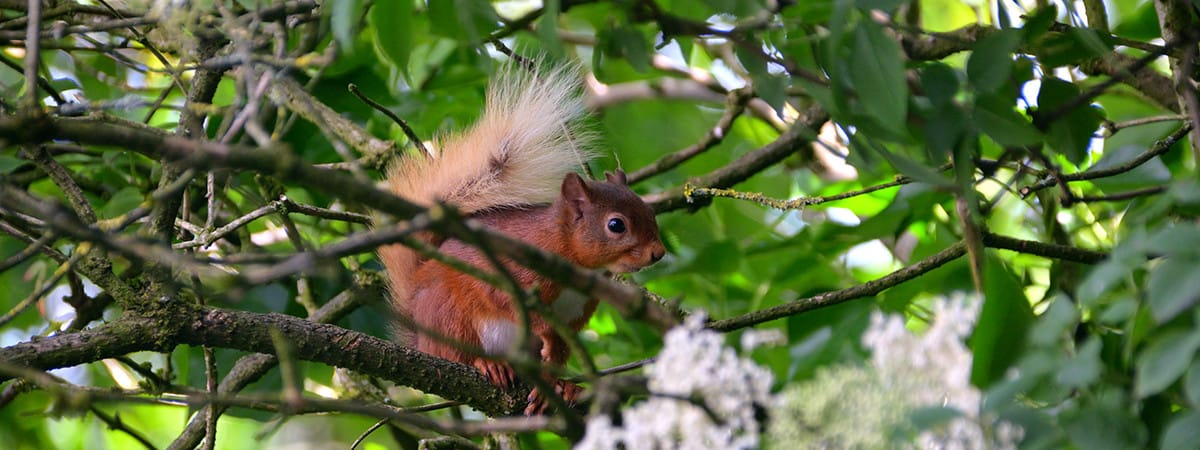
The Mammal Society is the specialist UK organisation to look to for mammal identification.
Its British mammals resources cover UK mammal species, while its identification material can also help with mammal signs and field evidence.
The Society’s Mammal Mapper app is particularly useful. It allows people to record mammal sightings and signs, including footprints, droppings, nests and sounds. The app also contains species identification guides and allows photographs to be submitted with records.
Bats can be difficult to identify from brief sightings, particularly when they are flying at dusk. The Bat Conservation Trust provides guidance on identifying bats as well as information about bat droppings and when to seek help with a bat found somewhere it should not be.
The Wildlife Trusts – tracks, droppings and skulls
If you have found evidence of an animal rather than the animal itself, The Wildlife Trusts have useful guides to identifying tracks, droppings and animal skulls.
These can be particularly helpful when you are trying to work out what has passed through a garden, woodland or other habitat.
Reptile and Amphibian Identification
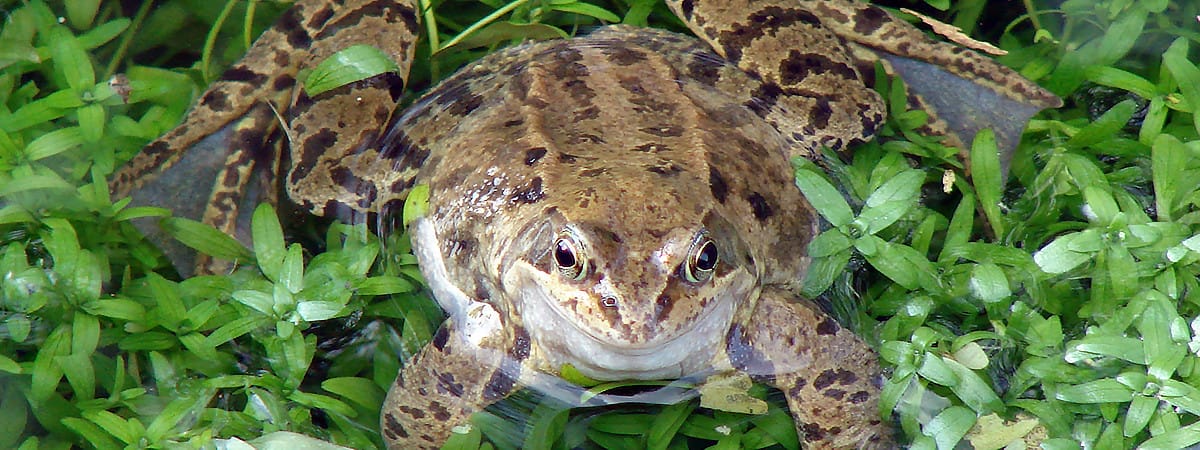
Amphibian and Reptile Conservation (ARC) provides species-by-species information for the UK’s native reptiles and amphibians, including identification guides and information about lifecycles and protection.
Its resources cover frogs, toads, newts, snakes and lizards.
The Amphibian and Reptile Groups of the UK provides downloadable identification guides for England, Scotland, Wales and Northern Ireland, including guides produced jointly with ARC.
This makes it particularly useful if you’re looking for a printable field guide rather than just a webpage.
Butterfly & Moth Identification
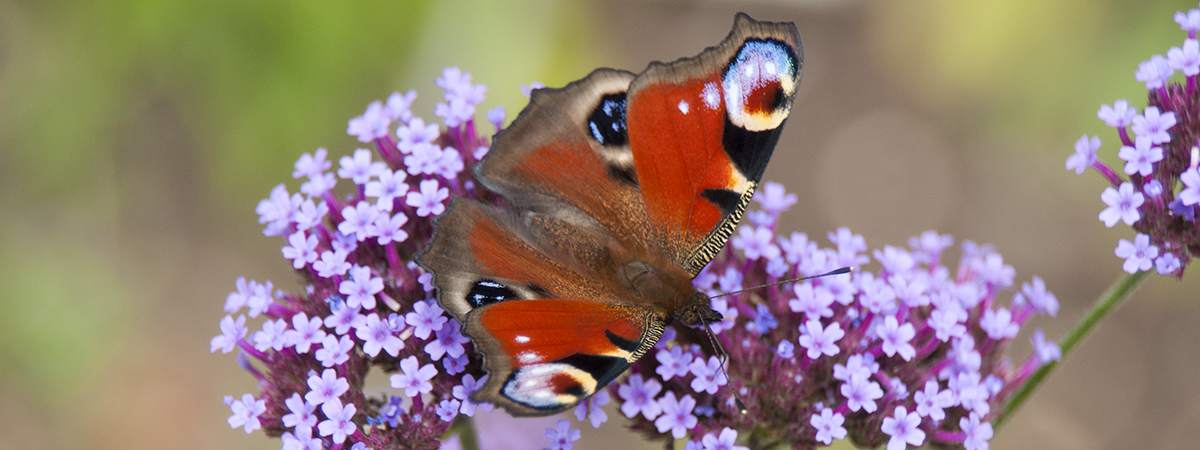
Butterfly Conservation provides one of the most useful online butterfly identification resources for the UK. Its identification tool allows you to narrow species down by factors including colour, size, markings and country, alongside its A–Z species information.
Butterfly Conservation also provides a dedicated moth identification section, including an identification page and A–Z information.
With more than 2,500 moth species recorded in Britain, this is a group where specialist resources are especially valuable.
UKMoths is one of the most extensive online moth resources for Great Britain and Ireland. It provides species information, photographs, a searchable database and identification tools, including a keyword-based search and a newer photo identification facility. The site currently illustrates more than 2,000 moth species and includes thousands of photographs. Its own guidance makes clear that identification should not always be treated as definitive, particularly for difficult species.
Bee, Wasp and Ant Identification
A useful beginner resource from the Bees, Wasps & Ants Recording Society, with photographs and identification pointers for a selection of distinctive British bees, wasps and ants.
This is the more specialist BWARS resource. It includes downloadable identification keys and guides for British bees and wasps, including material for social wasps and specialist bee groups.
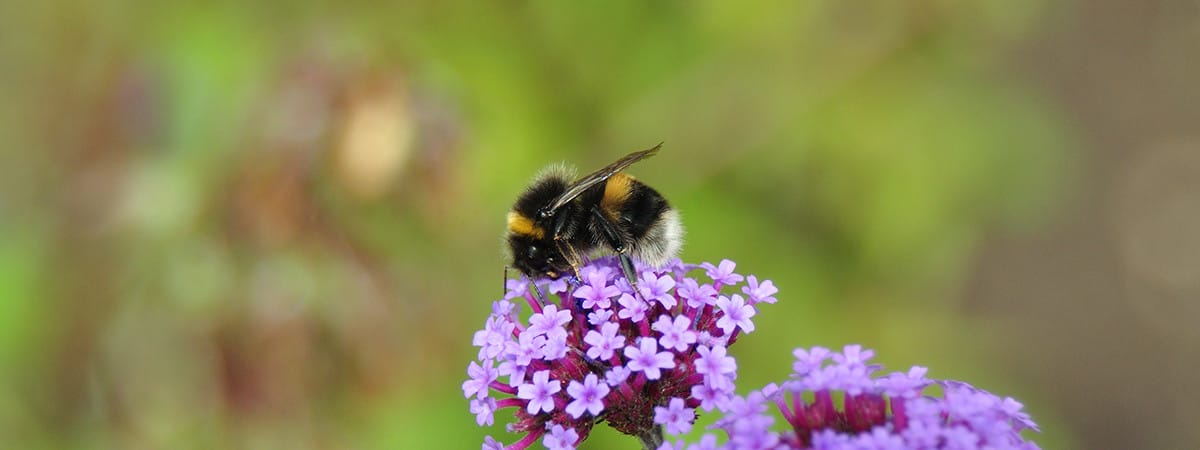
An accessible guide explaining the main features to look for when identifying UK bumblebees, including tail colour, banding, facial features and distribution. It is a particularly good starting point for beginners.
A species-by-species guide to 24 of the bumblebee species in the UK, with photographs, identification illustrations, distribution information and details of similar species.
Although NatureSpot has its roots in Leicestershire and Rutland, its extensive illustrated collection of British bees, wasps and ants is a valuable resource for wildlife enthusiasts across the UK. Individual species pages include photographs and useful identification information.
Want to get better at identifying the bees you see in your garden or out in the countryside? The Wildlife Trusts have two useful guides covering bumblebees and solitary bees, with plenty of identification information, photographs and tips to help you tell different species apart.
Whether you’re just starting to learn about bees or want to look more closely at a bee you’ve spotted, these guides are a great place to start.
Dragonfly and Damselfly Identification
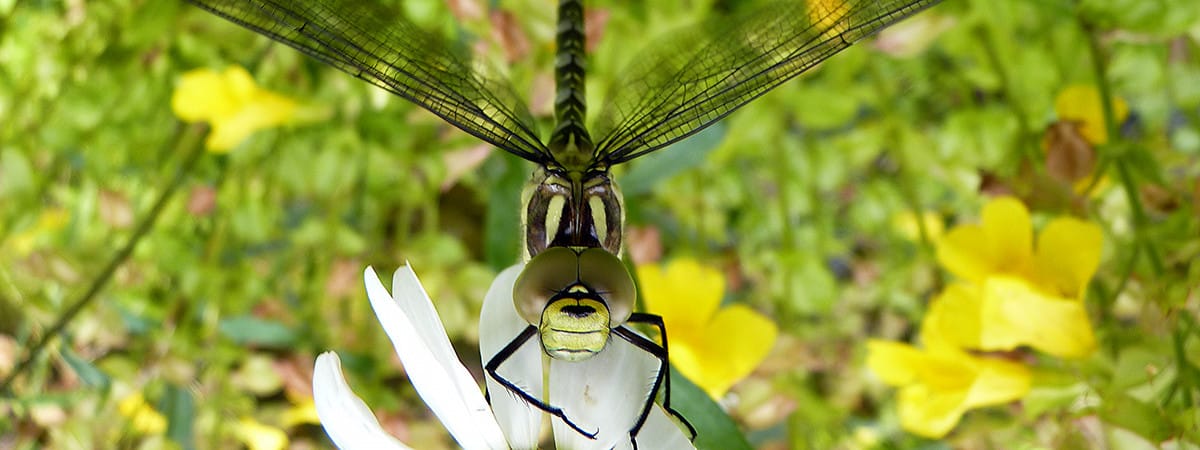
The British Dragonfly Society provides a dedicated identification tool for Britain’s dragonflies and damselflies.
Its guidance explains how features such as season, habitat, distribution, colour and markings can help narrow down an identification. The Society also advises taking clear photographs from different angles when an identification is uncertain.
Spider and Arachnid Identification
The British Arachnological Society (BAS) provides a useful collection of free factsheets and leaflets covering a range of British spiders and other arachnids. The PDFs include identification information for species such as house spiders, garden spiders, false widows, zebra spiders and harvestmen.
Other Insects and Invertebrates
The Royal Entomological Society (RES) provides a range of free resources to help identify and learn more about insects, including its Intriguing Insects! mini-guide, an illustrated Insects in Green Spaces guide and information on insect classification. It also provides advice on insect identification apps and a way to seek help from the Society when you’re struggling to identify an insect.
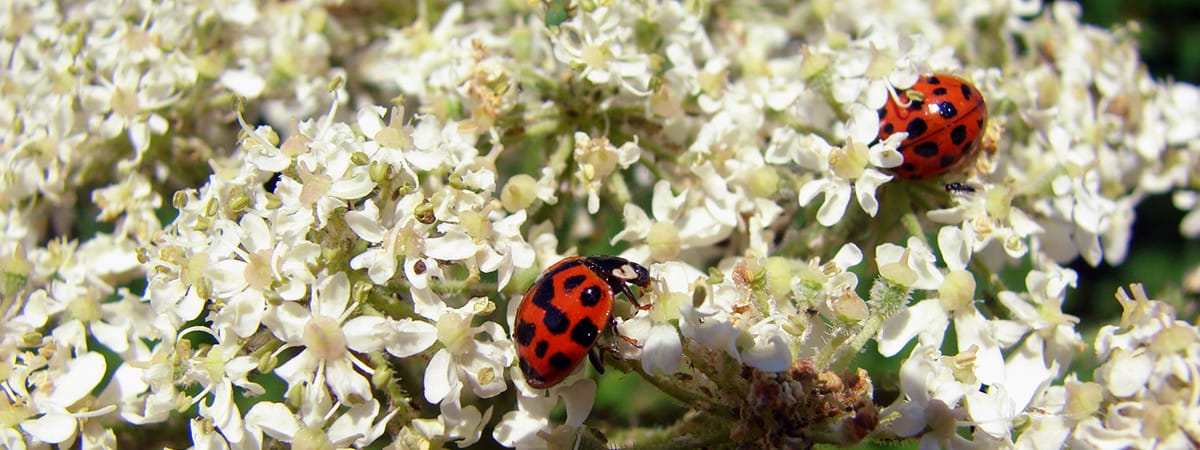
The British Naturalists’ Association provides a useful collection of photo identification guides covering several groups, including bumblebees, dragonflies, grasshoppers and crickets, hoverflies, ladybirds, shieldbugs and more.
British Bugs focuses on Hemiptera — the true bugs — and provides illustrated information on hundreds of British species.
Wildflower and Plant Identification
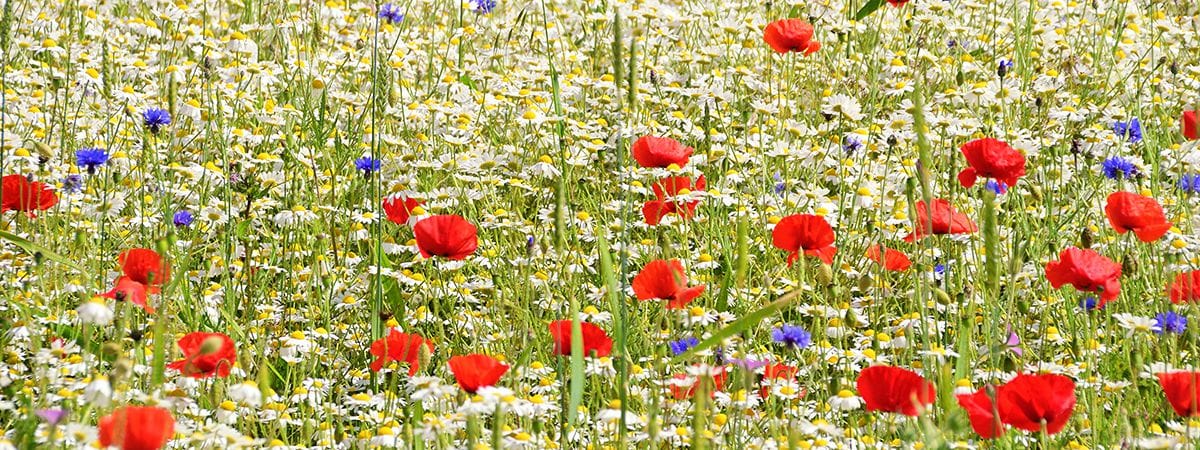
Plantlife’s Plants and Fungi section includes a large illustrated gallery that can be filtered by features such as colour, habitat and plant type, making it useful for narrowing down and identifying wildflowers and other plants found in the UK.
Plantlife has also produced a free illustrated PDF identification guide covering 99 common wildflowers, with English and scientific names, flowering period, size, habitat and key identification features. The guide is arranged largely by flower colour.
The Botanical Society of Britain and Ireland (BSBI) Plants resource is an extensive online plant encyclopedia, with species information, photographs, distribution maps and other useful details that can be explored and filtered by plant group. The BSBI’s Plants Local to You tool also lets you enter a postcode to find a list of plant species recorded in the surrounding area.
The Botanical Society of Britain and Ireland (BSBI) provides a collection of expert-produced plant identification resources covering a wide range of British and Irish plants and difficult groups. The guides include subjects such as grasses, ferns, orchids, clover, dandelions, heathers and wetland plants, with further specialist resources available through the BSBI’s Plant Crib.
NatureSpot has a large illustrated gallery of wildflowers with individual species pages containing photographs and information. Although the site is focused on Leicestershire and Rutland, NatureSpot notes that most of the species in its plant library occur across the UK, making it useful well beyond its local area.
Tree and Shrub Identification
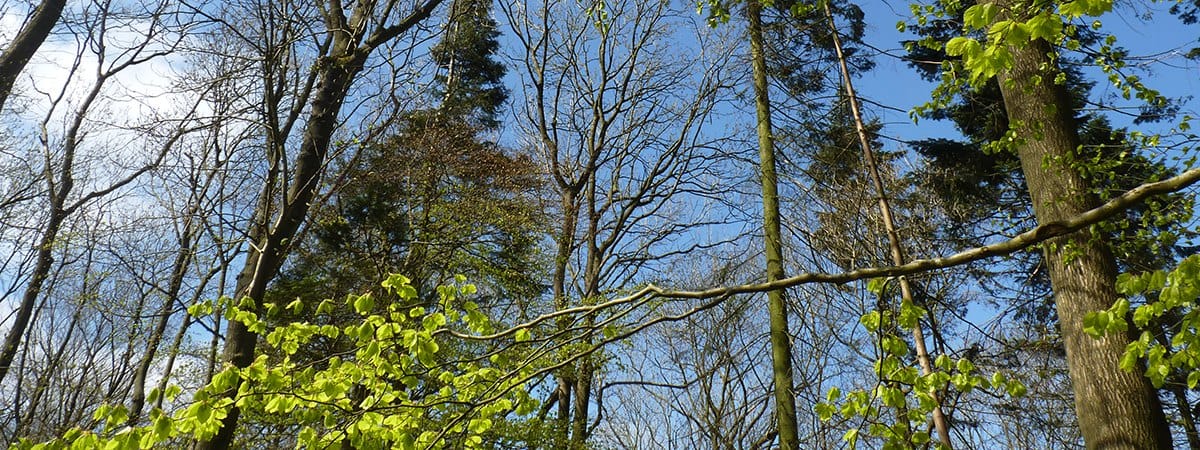
The Woodland Trust has an extensive A–Z guide to British trees, covering native trees alongside naturalised and widely planted non-native species. It also provides a free Tree ID app and advice on identifying trees using leaves, bark, twigs, buds, flowers and fruit.
The Natural History Museum provides an interactive key for identifying trees, with a free downloadable PDF version also available. The key guides you through a series of questions about features such as leaves, needles, buds and fruit to help identify the tree you’re looking at.
The Botanical Society of Britain and Ireland (BSBI) also provides specialist identification resources for trees and shrubs, including guides to Balsam Poplar, Willow, Hawthorn, Blackthorn and Cherry Plum. Its wider collection includes identification resources for many other plant groups.
Identification of Grasses, Sedges and Rushes
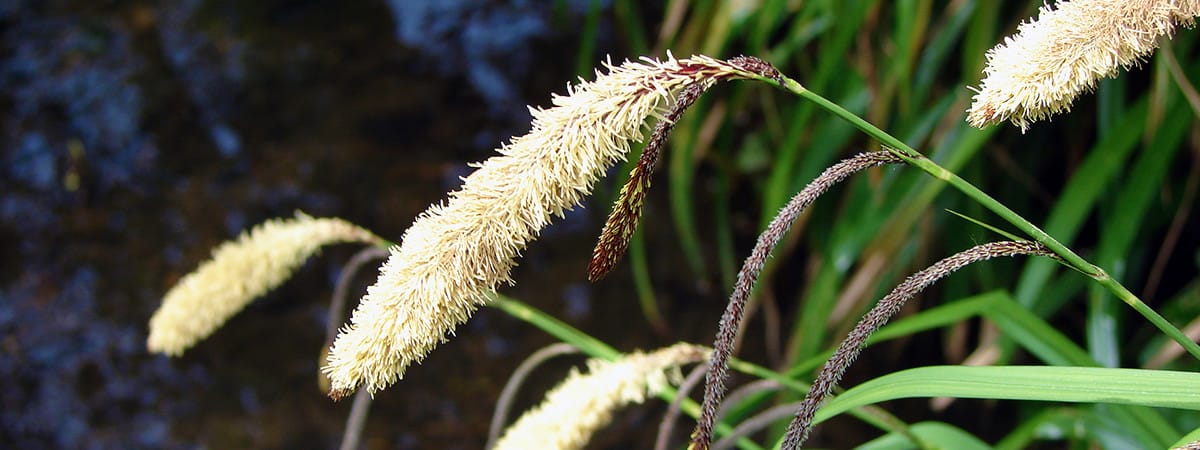
The Wildlife Trusts’ Grasses, Sedges and Rushes guide features photographs and species information for a useful selection of British species, including common grasses, rushes, sedges, club-rushes and spike-rushes. It is a handy visual reference for helping to identify some of the species you may encounter in grassland, wetlands and other habitats.
Part of Flora of East Anglia, this illustrated resource provides photographs and identification information for a range of grasses, rushes and sedges. Although the guide has an East Anglian focus, many of the species covered occur elsewhere in Britain, making it a useful additional visual reference when identifying these plants.
Fungi Identification
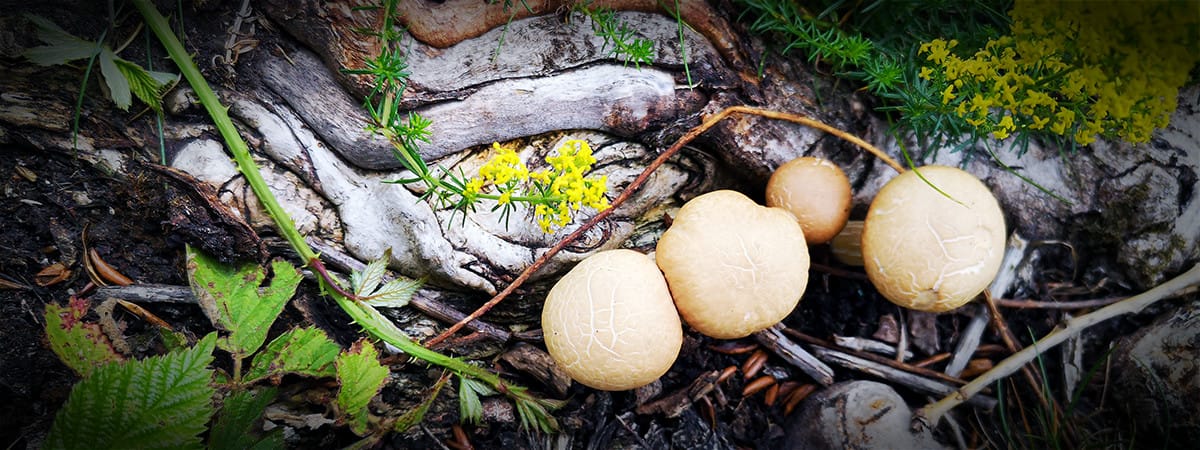
Important: Never eat a wild mushroom based solely on an online identification guide or app. Some poisonous fungi closely resemble edible species. Foraging and consumption should only be considered when identification has been confirmed with appropriate expertise.
The British Mycological Society provides resources for identifying and recording fungi, alongside access to the Fungal Records Database of Britain and Ireland. Its website is particularly useful for people who want to progress beyond recognising familiar mushrooms and learn more about the enormous diversity of British fungi.
SporeBuddies’ Common UK Mushrooms guide covers 100 commonly encountered UK mushrooms, with information on habitat, season, cap and gill features, spore-print colour and other characteristics. It is designed as a practical starting point for narrowing down an unfamiliar mushroom and includes a useful guide to what features to look for when making an identification.
The SporeBuddies UK Mushroom Identifier is an interactive tool that lets you narrow down possible fungi using characteristics such as habitat, gill colour, cap shape and season. Results are refined as more observations are entered, making it useful for exploring possible matches.
First Nature provides a particularly extensive online fungi reference. Its identification guide is organised by fungal families and includes photographs, habitat information, spore colour and both macroscopic and microscopic identification features. The site provides information on more than 600 fungi species, with individual species pages and links to further identification material.
The British Naturalists’ Association’s Basic Guide to Identifying Fungi is a free downloadable PDF introducing the main features to examine when identifying fungi. It covers subjects such as cap shape and colour, gills and pores, stem characteristics, smell, bruising and other useful clues, with photographs and illustrations to help beginners understand what to look for.
Wild Food UK’s Mushroom Guide contains a large searchable collection of wild fungi, with photographs, common and scientific names, seasonal information and an indication of whether species are described as edible, poisonous or inedible. The guide can be filtered by mushroom type and season and also allows searches based on particular characteristics. As this resource is aimed partly at foragers, its own guidance stresses that wild mushrooms should never be eaten unless their identification is certain.
Moss, Liverwort and Hornwort Identification
Mosses, liverworts and hornworts are collectively known as bryophytes and can be found in habitats ranging from woodland and heathland to walls, lawns and urban areas. They can be fascinating to identify, although some species are considerably more difficult than they first appear and may require a hand lens or microscope.
The British Bryological Society (BBS) provides a range of online resources for anyone interested in identifying mosses, liverworts and hornworts. Its Species Finder contains species pages with identification tips, distribution information, images and information on similar species. The Society also provides an illustrated introduction to some common bryophytes, a collection of specialist identification keys and resources, and a wider Learning section with guidance for beginners, tips and techniques and further identification help.
NatureSpot’s Mosses gallery provides an extensive collection of photographs linked to individual species pages. Its identification-difficulty ratings are particularly helpful, indicating which species are relatively straightforward to identify and which require greater experience. Although the photographs were taken in Leicestershire and Rutland, the gallery covers many species found much more widely across Britain.
This iNaturalist project brings together observations of mosses, liverworts and hornworts from across Britain and Ireland. It provides a large visual collection of observations and photographs with filters and a search that can be useful for comparing an unfamiliar specimen with photographed examples.
Lichen Identification
Lichen identification can be considerably more difficult than many other forms of wildlife identification. The British Lichen Society provides species descriptions, identification tips and resources for learning the terminology used in lichen identification. The Society warns that a photograph alone may only provide a tentative identification for many species, with some requiring microscopy, chemical tests or other specialist techniques.
The Natural History Museum’s Guide to Lichens on Twigs is a free, illustrated online identification guide covering more than 60 lichens. Its multi-access key lets you work through visible characteristics to narrow down possible species, with a downloadable user guide and glossary also available.
Although NatureSpot is focused on wildlife recorded in Leicestershire and Rutland, its extensive lichen gallery is useful well beyond the region. It provides photographs and individual species pages, with identification-difficulty ratings to indicate how straightforward each species is to identify. NatureSpot also provides guides for common lichens and advice on lichen identification.
Freshwater Life Identification
The Canal & River Trust provides an illustrated guide to freshwater fish found in UK canals, rivers and lakes. Individual species pages include photographs, habitat information and identification features, covering familiar species such as barbel, chub, dace, perch, pike, roach, rudd, tench and others.
The Natural History Museum provides a free beginner’s guide to identifying common freshwater invertebrate groups found in Britain. The guide uses annotated photographs, simple illustrated identification features and notes on groups that can be easily confused. A free PDF can also be downloaded, making it useful to keep for reference while exploring ponds, streams and other freshwater habitats.
The British Freshwater Fish Identification Chart from AquaJocund provides a visual reference for identifying freshwater fish found in Britain. It is a useful additional resource for comparing the appearance and characteristics of different species when trying to identify an unfamiliar fish.
Marine Life and Rockpool Species Identification
The Marine Conservation Society (MCS) Wildlife A-Z is a useful online reference for identifying marine animals found around the UK. It includes illustrated species profiles with photographs, descriptions of appearance, habitat and other key facts, and can be searched or browsed by species category and alphabetical order. It covers a broad range of marine life, from jellyfish, crabs and fish to sharks, seabirds, seals, whales and dolphins, making it particularly useful when identifying something spotted while rockpooling, on the coast or in UK waters.
Whale and Dolphin Conservation (WDC) provides an extensive online species guide covering whales, dolphins and porpoises, with individual species pages containing photographs and identification information. It also has a dedicated guide to the species recorded around the UK coastline, making it a useful resource for identifying cetaceans encountered in UK waters.
Sea Watch Foundation has species fact sheets for cetaceans recorded in British and Irish waters, together with a free Whales and Dolphins around the British Isles identification chart (PDF) and photo-identification guidance. Its resources are specifically designed to help people learn to recognise cetaceans in UK waters.
The Conchological Society of Great Britain and Ireland provides an online encyclopedia and identification resources covering the molluscs of Britain and Ireland, including illustrations, descriptions and distribution maps.
The Natural History Museum also provides resources for identifying seaweeds found around the British coast, including the Big Seaweed Search guide (PDF).
The Marine Life Information Network (MarLIN) provides information on more than 900 marine species associated with UK shores or of conservation interest. Its species pages are arranged into recognisable groups such as fish, seaweeds, sea anemones, sponges and more, and include photographs, descriptions, distribution and identification characteristics.
What if you still can't identify what you've found?
Don’t worry. Some species genuinely cannot be identified confidently from a quick photograph.
This is particularly true for certain insects, spiders, lichens, fungi and other specialist groups. Even specialist organisations warn that closely related species may require microscopic examination or other technical methods.
When taking photographs for identification, try to capture several useful views rather than relying on one image. A photograph from above and from the side can be particularly helpful for insects and other small animals, while including something of known size can help establish scale.
It is also worth recording where and when you found something. Habitat, location, season and behaviour can all provide useful clues, and some identification resources specifically recommend using these factors alongside appearance.
Wildlife identification apps and AI
Image-recognition apps can be useful for narrowing down possible species, especially for common plants and wildlife. However, they should generally be treated as a starting point rather than definitive proof.
Plantlife, for example, has tested several plant-identification apps and advises using them as learning tools alongside more traditional identification methods.
For difficult or important records, a specialist identification guide, recording scheme or expert verification is preferable.
Once you've identified it, consider recording your sighting
Wildlife identification and wildlife recording go hand in hand.
A number of the organisations featured above run national recording schemes or provide ways to submit sightings. The Mammal Society’s Mammal Mapper, for example, allows people to record mammals and signs such as tracks and droppings, while the British Dragonfly Society provides routes for submitting dragonfly records.
Recording what you see can help contribute to knowledge about the distribution and status of Britain’s wildlife.
Important Note
For most things you encounter, the safest approach is simply to leave it undisturbed as you found it. If you would like help identifying something, take clear photographs from several angles, including useful identifying features and, where possible, the surrounding habitat. You can then use those photographs with a reliable identification resource or seek advice from the appropriate specialist organisation.
Never eat any wild plant, fungus or other natural food unless it has been unmistakably and definitively identified as safe to eat. Some edible species have poisonous lookalikes, and an identification based on a photograph or app alone may not be sufficient.
It is also important to remember that some British wildlife is legally protected and may require specialist knowledge, training or permits to handle or survey. For example, great crested newts are a protected species and activities involving them can require the appropriate licensing.
Safety disclaimer: Identification resources are provided for general information only and should not be treated as a substitute for expert advice. Always follow relevant wildlife protection, food safety and handling laws, and seek specialist guidance where identification or handling is uncertain.
About this Guide
With Nature has selected these resources because they provide useful identification information, specialist knowledge, authoritative data or other established resources for identifying UK nature.
Websites, apps and other online resources can change over time, so links and descriptions will be reviewed periodically. If you notice a broken or outdated link, or know of a useful identification resource that we have missed, please let us know the details through our Contact page.